Introduction to Essential Nutrients and Why They Matter
Your body relies on a set of nutrients that it cannot make in sufficient amounts on its own. These essential nutrients must come from food and drink. They fall into six classes: carbohydrates, lipids (fats), proteins, water, vitamins, and minerals. Each class performs one or more of three broad jobs: providing energy, contributing to body structure, and regulating chemical processes throughout the body.
Getting a mix of these nutrients supports day-to-day energy, growth, repair, and overall health. Nutrition guidance emphasizes choosing nutrient-dense foods and beverages, which supply vitamins, minerals, and other health-promoting components with little or no added sugars, saturated fat, and sodium. This page explains what each nutrient class does, where to find it, and how to build a balanced plate that covers your needs.
- Carbohydrates, fats, and proteins are macronutrients needed in large amounts.
- Vitamins and minerals are micronutrients needed in smaller amounts.
- Water is required in large amounts and is essential for many body functions.
Sources: StatPearls (NCBI Bookshelf / NIH), Nutrition Today (Wolters Kluwer) via PubMed Central / NIH, Maricopa Open Digital Press
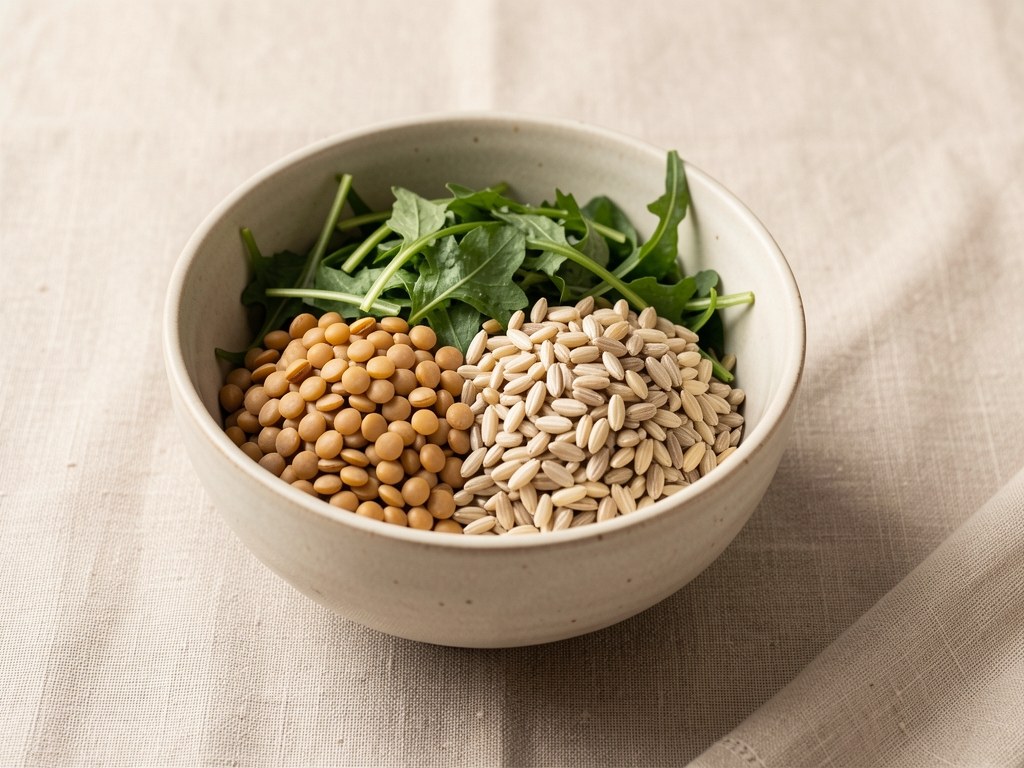
Macronutrients: Carbohydrates, Proteins, and Fats – Roles and Balance
Macronutrients are the nutrients your body needs in large quantities. They include carbohydrates, proteins, and fats. Each gram of digestible carbohydrate or protein supplies about 4 kilocalories, while each gram of fat supplies about 9 kilocalories. Beyond energy, macronutrients have specific roles in structure and regulation.
Carbohydrates are the body’s primary energy source and also support the proper functioning of the nervous system, heart, and kidneys. Glucose from carbohydrates is stored in the body as glycogen. Food sources include grains, milk, fruits, and starchy vegetables.
Proteins are made of amino acids and provide structure to bones, muscles, and skin. They also participate in most chemical reactions in the body. Proteins are found in meats, dairy products, seafood, and plant foods such as soy.
- Carbohydrates: primary energy source; support nervous system, heart, and kidneys.
- Proteins: build and repair tissues; enable chemical reactions.
- Fats: store energy, form cell membranes, protect organs, regulate temperature.
Sources: StatPearls (NCBI Bookshelf / NIH), World Health Organization, Maricopa Open Digital Press
Micronutrients: Key Vitamins and Minerals and Their Food Sources
Micronutrients are vitamins and minerals required in smaller amounts. There are 13 vitamins, divided into water-soluble vitamins (vitamin C and the B vitamins) and fat-soluble vitamins (A, D, E, and K). Vitamins are needed for functions such as red blood cell production, bone tissue synthesis, normal vision, nervous system function, and immune function.
Minerals are classified as macrominerals (calcium, magnesium, potassium, sodium, phosphorus, sulfur, and chloride), which are required in hundreds of milligrams, and trace minerals (iron, zinc, iodine, selenium, copper, manganese, fluoride, chromium, and molybdenum), required in a few milligrams or less. Minerals help maintain fluid balance, build bone tissue, synthesize hormones, transmit nerve impulses, contract and relax muscles, and protect against harmful free radicals.
The World Health Organization notes there are about 30 essential micronutrients: 13 vitamins (such as A, B-complex, C, D, E, and K) and 16 minerals (like iron, iodine, zinc, and calcium). Good food sources include a variety of vegetables, fruits, whole grains, dairy or fortified soy alternatives, and protein foods. For example, calcium and vitamin D are found in dairy and fortified products, while potassium is abundant in fruits and vegetables.
- Water-soluble vitamins: vitamin C and B vitamins.
- Fat-soluble vitamins: A, D, E, and K.
- Macrominerals: calcium, magnesium, potassium, sodium, phosphorus, sulfur, chloride.
- Trace minerals: iron, zinc, iodine, selenium, copper, manganese, fluoride, chromium, molybdenum.
Sources: StatPearls (NCBI Bookshelf / NIH), World Health Organization, Maricopa Open Digital Press
How to Cover Nutrient Needs with a Balanced Plate
The Dietary Guidelines for Americans, 2020–2025 recommends meeting nutritional needs primarily through nutrient-dense foods and beverages. A balanced plate approach can help you include a variety of foods that together supply essential nutrients. The Guidelines describe core elements of a healthy dietary pattern: vegetables of all types; fruits, especially whole fruits; grains, at least half whole grain; dairy or fortified soy alternatives; protein foods; and oils.
To put this into practice, aim to fill half your plate with vegetables and fruits, one quarter with grains (prioritizing whole grains), and one quarter with protein foods. Add a serving of dairy or a fortified soy alternative, and include oils in place of solid fats where possible. This pattern naturally provides a mix of macronutrients and micronutrients. For fiber, the World Health Organization advises adults to consume at least 25 grams of naturally occurring dietary fiber per day, which can be met through whole grains, fruits, vegetables, and legumes.
No single food provides all essential nutrients in the right amounts, so variety matters. Choosing foods from each group daily helps cover your bases without relying on supplements.
- Fill half the plate with vegetables and fruits.
- Make one quarter grains, at least half whole grain.
- Make one quarter protein foods.
- Include dairy or fortified soy alternatives and oils.
Sources: World Health Organization, Nutrition Today (Wolters Kluwer) via PubMed Central / NIH
Common Nutrient Gaps
Even with good intentions, some nutrients are commonly under-consumed. The Dietary Guidelines for Americans, 2020–2025 identifies vitamin D, calcium, dietary fiber, and potassium as nutrients of public health concern for all Americans. This means many people do not get enough of these nutrients from food alone.
Vitamin D and calcium are critical for bone health, and a review of the North American diet notes that insufficiency of these nutrients is common. Food sources of calcium include dairy products, fortified plant milks, and leafy greens. Vitamin D is found in fatty fish, egg yolks, and fortified foods; sunlight also helps the body make vitamin D. Fiber and potassium are found in fruits, vegetables, whole grains, and legumes. Increasing intake of these food groups can help close gaps.
For those who cannot meet needs through food, fortified foods or supplements may be options, but they should not replace a balanced diet. The Dietary Guidelines emphasizes food-first approaches for most people.
- Nutrients of public health concern: vitamin D, calcium, dietary fiber, potassium.
- Food sources: dairy and fortified foods for calcium and vitamin D; fruits, vegetables, whole grains, legumes for fiber and potassium.
Sources: Nutrition Today (Wolters Kluwer) via PubMed Central / NIH, The Open Orthopaedics Journal via PubMed Central / NIH
Nutrient Supplements vs. Whole Foods
Supplements can help fill specific gaps, but they are not a substitute for a balanced diet. The Dietary Guidelines for Americans, 2020–2025 stresses that nutritional needs should be met primarily through nutrient-dense foods and beverages. Whole foods provide not only essential vitamins and minerals but also fiber, healthy fats, and other bioactive compounds that work together for health.
Supplements are most useful when a person cannot get enough of a particular nutrient from food due to dietary restrictions, medical conditions, or life stages. However, taking high doses of certain nutrients can be harmful, and supplements may interact with medications. It is best to talk with a healthcare provider before starting any supplement, especially if you have health conditions or take prescription drugs.
For most healthy adults, a varied diet based on the balanced plate principles described above can meet nutrient needs without the need for widespread supplementation.
- Food first: nutrient-dense foods provide a complex mix of nutrients and beneficial compounds.
- Supplements can help in specific cases but are not a replacement for whole foods.
- Consult a healthcare provider before using supplements.
Sources: Nutrition Today (Wolters Kluwer) via PubMed Central / NIH, Maricopa Open Digital Press, Journal of Midwifery & Women's Health via PubMed Central / NIH
Frequently asked questions
How do I know if I'm getting enough micronutrients?
The best way to gauge micronutrient intake is to look at the overall pattern of your diet. If you regularly eat a variety of vegetables, fruits, whole grains, lean proteins, and dairy or fortified alternatives, you are likely covering most micronutrient needs. The Dietary Guidelines for Americans, 2020–2025 identifies vitamin D, calcium, dietary fiber, and potassium as nutrients of public health concern, meaning many people fall short. If you have concerns about specific nutrients or symptoms, a healthcare provider can assess your diet and may recommend blood tests. Supplements should only be used under medical guidance.
Sources: Nutrition Today (Wolters Kluwer) via PubMed Central / NIH, Maricopa Open Digital PressCan supplements replace whole food nutrients?
No, supplements cannot fully replace the complex mix of nutrients and beneficial compounds found in whole foods. While supplements can provide specific vitamins or minerals, they lack fiber, healthy fats, and other components that contribute to health. The Dietary Guidelines for Americans, 2020–2025 recommends meeting nutritional needs primarily through nutrient-dense foods and beverages. Supplements may be appropriate for certain individuals, such as those with dietary restrictions or increased needs, but they should complement, not replace, a balanced diet. Always consult a healthcare provider before starting a supplement.
Sources: Nutrition Today (Wolters Kluwer) via PubMed Central / NIH, Journal of Midwifery & Women's Health via PubMed Central / NIHSources
- Biochemistry, Nutrients - StatPearls - NCBI Bookshelf — StatPearls (NCBI Bookshelf / NIH)
- Healthy diet - World Health Organization (WHO) — World Health Organization
- Dietary Guidelines for Americans, 2020–2025: Understanding the Scientific Process, Guidelines, and Key Recommendations - PMC — Nutrition Today (Wolters Kluwer) via PubMed Central / NIH
- Essential Nutrients – Nutrition Essentials — Maricopa Open Digital Press
- Essential Nutrients for Bone Health and a Review of their Availability in the Average North American Diet — The Open Orthopaedics Journal via PubMed Central / NIH
- Essentials of Healthy Eating: A Guide - PMC — Journal of Midwifery & Women's Health via PubMed Central / NIH