What is a balanced diet?
A balanced diet is one that provides your body with the essential nutrients it needs to function properly: carbohydrates, proteins, fats, vitamins, minerals, and water. The goal is to consume these in proportions that support your health and reduce the risk of chronic disease. While there are many specific eating patterns, a balanced diet is typically rich in vegetables, fruits, whole grains, healthy proteins, and plant oils, while limiting unhealthy fats, added sugars, and sodium.
Nutrition experts and public health organizations emphasize that balance goes beyond just getting enough of each nutrient. It also means choosing foods that are nutrient-dense—meaning they deliver vitamins, minerals, and other beneficial compounds relative to their calorie content. In practice, a balanced diet is not about perfection or rigid rules, but about consistently making choices that align with these principles.
Sources: Harvard T.H. Chan School of Public Health, U.S. Department of Health and Human Services and U.S. Department of Agriculture, Journal of Midwifery & Women's Health
The Healthy Plate Method: Proportions of Vegetables, Fruits, Grains, and Protein
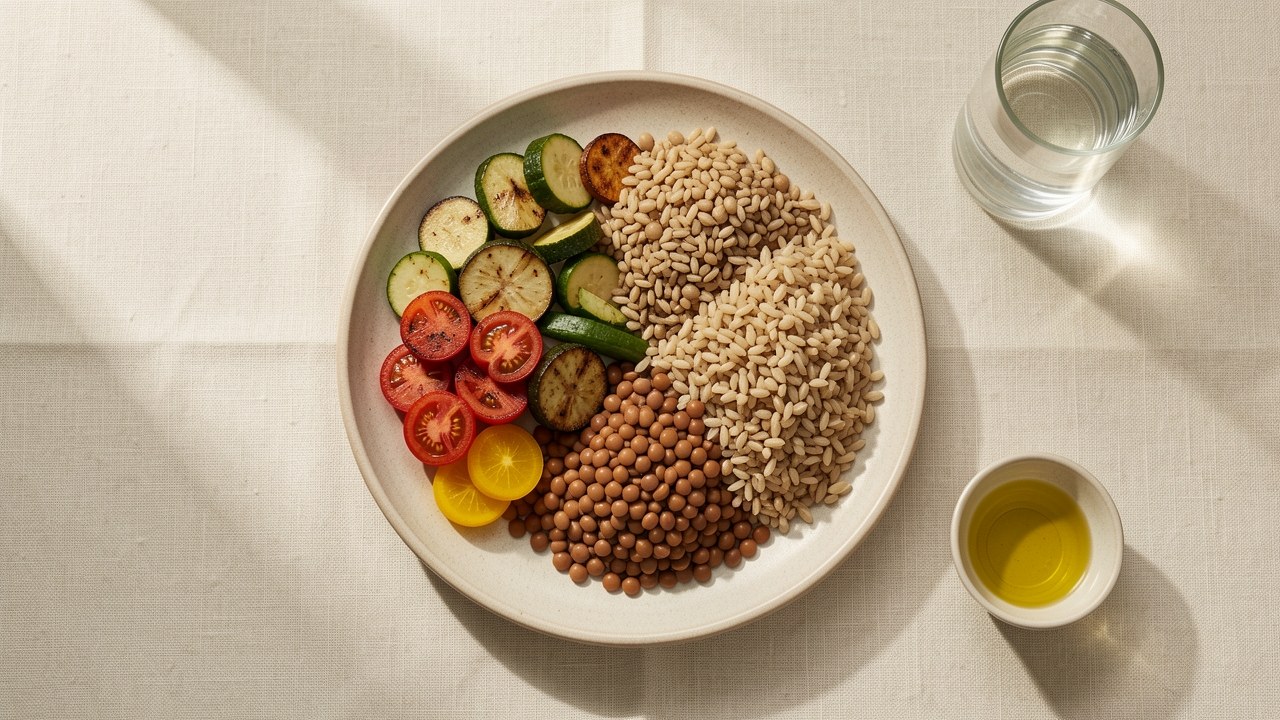
One of the most actionable ways to plan a balanced meal is the plate method. The Harvard Healthy Eating Plate, developed by nutrition experts at the Harvard T.H. Chan School of Public Health, offers a simple visual guide: fill half your plate with vegetables and fruits, one quarter with whole grains, and one quarter with healthy protein. This approach naturally increases your intake of fiber, vitamins, and minerals, and helps you control portion sizes without counting calories.
The plate method is a practical framework because it does not require you to measure or track every nutrient. Instead, you can focus on the proportions on your plate. For most meals, especially lunch and dinner, picturing these four sections can help you build a balanced plate. You can adapt the method to different cuisines and cooking styles, as long as you keep the proportions in mind.
The Harvard plate also includes guidance on beverages: it recommends drinking water, coffee, or tea, while limiting sugary drinks. It suggests no more than one to two servings per day of milk and dairy, and a small glass of juice per day. This adds another layer to the plate method, helping you make balanced choices beyond the meal itself.
- Half your plate: vegetables and fruits—aim for variety and color, including leafy greens, cruciferous vegetables, and whole fruits.
- One quarter: whole grains—choose options like brown rice, whole wheat pasta, quinoa, or oats instead of refined grains.
- One quarter: healthy protein—include sources such as beans, lentils, nuts, seeds, fish, poultry, or eggs.
Choosing Healthy Proteins, Whole Grains, and Plant Oils
The quality of the foods you choose matters as much as the proportions. Healthy proteins include plant-based sources like beans, lentils, chickpeas, nuts, and seeds, as well as animal sources like fish and poultry. Whole grains are rich in fiber, vitamins, minerals, and phytonutrients, and are associated with a reduced risk of cardiovascular disease and type 2 diabetes when compared to refined grains. The Harvard Healthy Eating Plate recommends choosing healthy plant oils such as olive, canola, soy, corn, sunflower, and peanut oils, and avoiding partially hydrogenated oils (trans fats).
In contrast, unhealthy fats like trans fats and excessive saturated fats, added sugars, and high sodium can increase the risk of chronic diseases. The 2025–2030 Dietary Guidelines emphasize prioritizing whole, nutrient-dense foods and avoiding highly processed foods, which are often high in sodium, added sugars, and unhealthy fats. When selecting proteins and grains, opt for minimally processed versions and prepare them in ways that do not add excessive salt, sugar, or unhealthy fats.
Sources: U.S. Department of Health and Human Services and U.S. Department of Agriculture, Harvard T.H. Chan School of Public Health, Journal of Midwifery & Women's Health
Limiting Unhealthy Fats, Added Sugars, and Sodium
A balanced diet is as much about limiting certain components as it is about including others. Excessive intake of unhealthy fats, particularly saturated and trans fats, added sugars, and sodium are associated with increased risk of heart disease, type 2 diabetes, and other conditions. The 2025–2030 Dietary Guidelines recommend limiting saturated fat to no more than 10% of total daily calories and suggest that no amount of added sugars is recommended as part of a healthy diet. They also advise consuming less than 2,300 milligrams of sodium per day for people ages 14 and older.
To reduce unhealthy fats, limit your intake of high-fat processed meats, butter, and other animal fats, and choose unsaturated fats like those from plant oils and nuts. When it comes to added sugars, be mindful of sugary drinks, desserts, and many processed foods. Reading nutrition labels can help you spot added sugars and sodium, even in foods that seem healthy. Finally, cooking at home with whole ingredients and flavoring with herbs and spices instead of salt can help you control your sodium intake.
- Saturated fat: limit to less than 10% of daily calories (for example, on a 2,000-calorie diet, that's fewer than 200 calories from saturated fat).
- Added sugars: limit or avoid sugary beverages, sweets, and processed snacks; no amount is recommended for a healthy diet.
- Sodium: aim for less than 2,300 mg per day, which is about one teaspoon of table salt.
Sources: U.S. Department of Health and Human Services and U.S. Department of Agriculture, Harvard T.H. Chan School of Public Health
Dairy: A Food Group with Differing Guidance
Dairy is a food group where US guidelines and the Harvard plate differ. The 2025–2030 Dietary Guidelines recommend three servings of full-fat dairy per day, while the Harvard Healthy Eating Plate advises limiting dairy to one to two servings per day, or avoiding it entirely; it instead emphasizes water, coffee, or tea as primary beverages. The Harvard plate also notes that dairy can be replaced with plant-based alternatives, though it does not specify which.
This difference arises from contrasting views on saturated fat. The Dietary Guidelines promote dairy as a source of calcium and protein, while Harvard experts highlight the saturated fat content in full-fat dairy and suggest that the evidence does not support high dairy consumption for most adults. For practical purposes, you can choose dairy based on your health needs and preferences, and consider alternatives like fortified plant milks. If you have concerns about saturated fat or dairy, talk to a registered dietitian.
- 2025–2030 Dietary Guidelines: three servings of full-fat dairy per day.
- Harvard Healthy Eating Plate: limit dairy to one to two servings per day, or avoid; drink water, coffee, or tea instead.
- Both models agree that dairy is a source of calcium and protein, but they differ on the role of saturated fat.
Sources: U.S. Department of Health and Human Services and U.S. Department of Agriculture, Harvard T.H. Chan School of Public Health
Practical Tips for Building Balanced Meals and Snacks
Building a balanced meal can start with a simple template: choose a healthy protein, fill half your plate with vegetables and fruits, add a serving of whole grains, and finish with a source of healthy fat, such as a drizzle of olive oil or a handful of nuts. For breakfast, you might combine old-fashioned oats with berries and a spoonful of peanut butter. For lunch, a salad with mixed greens, grilled chicken breast, chickpeas, quinoa, and a vinaigrette fits the model. Dinner could be baked fish, broccoli, and brown rice.
Snacks can also be balanced. Pair an apple with a small handful of almonds, or enjoy carrot sticks with hummus. The key is to include a mix of carbohydrates, protein, and healthy fat to keep you satisfied. When planning snacks, opt for whole foods over packaged snacks, which often contain added sugar, unhealthy fats, and sodium. Remember that a balanced diet is flexible; you can swap foods based on the season, your preferences, and what you have on hand.
- Keep vegetables and fruits readily available—wash, cut, and store them so they are easy to grab.
- Choose whole grains like oats, quinoa, brown rice, and whole wheat bread for most grain-based foods.
- Incorporate protein at every meal and snack to support satiety and muscle health.
- Read ingredient lists to avoid products with added sugars, high sodium, or trans fats.
- Plan your meals for the week to make healthier choices easier.
Sources: Harvard T.H. Chan School of Public Health, U.S. Department of Health and Human Services and U.S. Department of Agriculture
Common Myths and Misconceptions About Balanced Eating
Many misconceptions about healthy eating can undermine balanced choices. One common myth is that low-fat or no-fat foods are always healthier; in reality, these products often contain added sugar, starch, or salt to compensate for the reduction in fat, and they may have as many or more calories than regular versions. Another myth is that carbohydrates are inherently fattening. Weight gain occurs when you consume more calories than you burn, regardless of the source, so choosing whole grains and starchy vegetables as part of a balanced diet is perfectly fine.
Another misconception is that eggs and other cholesterol-containing foods should be avoided. For most healthy people, eggs can be part of a balanced diet because dietary cholesterol has less effect on blood cholesterol than saturated and trans fats. Also, frozen and canned fruits and vegetables can be as nutritious as fresh options and are often more affordable, making them a practical choice. Finally, a gluten-free diet is not beneficial for people without celiac disease or gluten sensitivity, and whole grains containing gluten contribute valuable nutrients.
- Low-fat does not automatically mean low-calorie.
- Carbs are not the enemy; the type and amount matter.
- Eggs can be part of a healthy eating pattern for most people.
- Frozen and canned produce are convenient, affordable, and nutritious choices.
- Gluten-free diets are not a blanket way to eat healthier.
Sources: MedlinePlus, Mayo Clinic Health System, Scripps Health, Loyola Medicine, European Food Information Council (EUFIC)
Why Balance Matters: Short- and Long-Term Health
Eating a balanced diet is a cornerstone of good health. In the short term, a diet rich in vegetables, fruits, whole grains, and healthy proteins provides steady energy, supports digestion, and helps maintain a healthy weight. It also helps you feel satisfied after meals and provides the micronutrients your body needs for daily function. In the long term, a balanced diet can reduce the risk of chronic diseases such as cardiovascular disease, type 2 diabetes, and certain cancers, according to extensive nutritional research.
The 2025–2030 Dietary Guidelines report highlights that most Americans consume a diet that is out of balance, with too few vegetables, fruits, and whole grains and too many refined grains, saturated fats, added sugars, and sodium. Achieving balance is not about a single meal, but about your overall eating pattern across days and weeks. By adopting sustainable eating habits—like the plate method and prioritizing whole foods—you can improve your short-term well-being and long-term health.
Sources: U.S. Department of Health and Human Services and U.S. Department of Agriculture, Journal of Midwifery & Women's Health
Key Principles: Variety, Proportions, and Moderation
Three key principles underpin a balanced diet: variety, proportions, and moderation. Variety ensures you get a wide array of nutrients by including different foods from all the food groups. No single food provides all the nutrients you need, so mixing your choices is essential. Proportions refer to the relative amounts of food groups you eat. The plate method is a simple guide to achieve the right proportions. Moderation involves being mindful of portion sizes and limiting foods and beverages that are high in added sugars, sodium, and unhealthy fats.
In practice, a balanced diet is about making these principles work for you. For instance, you might not eat vegetables with every meal, but you can aim to include a variety of vegetables most days. Similarly, you can allow yourself an occasional treat without derailing your overall healthy pattern. The goal is to establish a consistent, flexible approach to eating that supports your health over time.
Sources: U.S. Department of Health and Human Services and U.S. Department of Agriculture, Harvard T.H. Chan School of Public Health
How to Get Started: First Steps Toward Balance
If you are ready to adopt balanced eating habits, start with small, achievable changes. Begin by assessing your current meals and identify one area to improve, such as eating more vegetables at dinner or switching from white bread to whole grain. Use the plate method as a visual guide, and gradually shift your meals toward the half-vegetables-and-fruits, quarter-whole-grains, quarter-healthy-protein structure. If you snack, choose a balanced combination, such as fruit with nuts or yoghurt with berries.
Make your environment supportive by keeping healthy foods visible and processed foods less convenient. Planning a few meals in advance can help you make better choices even on busy days. Also, remember that a balanced diet includes hydration; water is the best choice to complement your meals. If you have a medical condition that requires special dietary guidance, it is wise to consult a registered dietitian rather than following generic advice. The most important step is to begin and make consistent, moderate improvements.
- Use a smaller plate to naturally reduce portions.
- Add one extra serving of vegetables to your meals each day.
- Swap refined grains for whole grains in at least half your grain choices.
- Choose water or unsweetened beverages as your primary drinks.
- Keep a bowl of fruit on your counter and cut-up veggies in the fridge for easy snacks.
Sources: Harvard T.H. Chan School of Public Health, U.S. Department of Health and Human Services and U.S. Department of Agriculture
Frequently asked questions
What is the difference between a balanced diet and a healthy diet?
A balanced diet refers specifically to consuming the right proportions of the major food groups—vegetables, fruits, grains, protein, and dairy—and essential nutrients. A healthy diet is a broader concept that includes balance but also emphasizes the quality of foods, such as choosing whole grains over refined grains, healthy fats over unhealthy fats, and minimizing added sugars and sodium. In short, a balanced diet is one component of a healthy diet, which also considers the health impact of food choices.
Sources: U.S. Department of Health and Human Services and U.S. Department of Agriculture, Harvard T.H. Chan School of Public HealthHow many servings of fruits and vegetables do I need daily?
Official recommendations vary, but nutrition experts generally advise filling about half your plate with fruits and vegetables at each meal, which equates to roughly 5 to 9 servings per day depending on your caloric needs. For specific amounts, the Dietary Guidelines provide daily recommendations based on calorie level, but the plate method is a simpler way to ensure you are eating enough.
Sources: Harvard T.H. Chan School of Public Health, U.S. Department of Health and Human Services and U.S. Department of AgricultureIs it okay to eat carbs on a balanced diet?
Yes. Carbohydrates are a primary energy source for your body, and they are not inherently fattening. What matters is the type and amount. Whole grains like oats, brown rice, and quinoa provide fiber, vitamins, and minerals. Refined carbohydrates like white bread and sugary snacks lack these nutrients and can contribute to weight gain and blood sugar problems. So, you can enjoy carbs as part of a balanced diet by focusing on whole food sources and keeping portions moderate.
Sources: Mayo Clinic Health System, MedlinePlusWhat are good sources of protein for a balanced diet?
Good protein sources include both plant and animal options. Plant-based proteins like beans, lentils, chickpeas, nuts, and seeds are rich in fiber and healthy fats. Animal-based proteins like fish, poultry, eggs, and lean cuts of meat are also healthy choices. The Harvard Healthy Eating Plate recommends prioritizing plant proteins and also includes fish, poultry, and eggs as healthy options. For a balanced diet, aim to vary your protein sources throughout the day.
Sources: Harvard T.H. Chan School of Public Health, U.S. Department of Health and Human Services and U.S. Department of AgricultureHow can I tell if a food fits into a balanced diet?
You can evaluate a food by its nutrient density and whether it aligns with the balance of your overall eating pattern. Foods that are rich in vitamins, minerals, fiber, and other beneficial compounds—like vegetables, fruits, whole grains, and healthy proteins—are generally good choices. On the other hand, foods high in added sugars, unhealthy fats, or sodium should be limited. Also, ask if the food provides a good contribution to the half-plate of vegetables or fruits, the quarter of whole grains, or the quarter of healthy protein. There is room for all foods in moderation, but the key is your overall pattern.
Sources: U.S. Department of Health and Human Services and U.S. Department of Agriculture, Harvard T.H. Chan School of Public HealthDo I need to count calories to eat a balanced diet?
No. Counting calories is not necessary for most people to eat a balanced diet. The plate method and focusing on food quality are simpler and more sustainable strategies. If you are trying to manage your weight, paying attention to portion sizes and hunger cues can help, but you do not need to track every calorie. If you have specific health concerns, a registered dietitian can help you figure out what approach, if any, is right for you.
Sources: Harvard T.H. Chan School of Public Health, Journal of Midwifery & Women's HealthWhat are some simple balanced meal ideas for beginners?
Start with the plate method: For breakfast, have a bowl of oatmeal topped with berries and a spoonful of peanut butter. For lunch, make a salad with leafy greens, cherry tomatoes, cucumber, chickpeas, and a grilled chicken breast, dressed with a vinaigrette. For dinner, pair baked salmon with steamed broccoli and quinoa. For snacks, enjoy an apple with a small handful of almonds or carrots with hummus. These ideas combine a mix of vegetables, fruits, whole grains, and healthy proteins.
Sources: Harvard T.H. Chan School of Public Health, U.S. Department of Health and Human Services and U.S. Department of AgricultureWhat foods should I eat for a balanced diet?
Focus on nutrient-dense foods: a variety of vegetables (leafy greens, colorful vegetables), fruits, whole grains (oats, brown rice, whole wheat bread), healthy proteins (beans, lentils, nuts, fish, poultry), and healthy fats from plant oils (olive, canola) as well as nuts and seeds. Also choose water as your best drink. You can occasionally include sweets or salty snacks, but your daily pattern should emphasize those core groups.
Sources: Harvard T.H. Chan School of Public Health, U.S. Department of Health and Human Services and U.S. Department of Agriculture, Journal of Midwifery & Women's HealthSources
- Dietary Guidelines for Americans, 2025–2030 — U.S. Department of Health and Human Services and U.S. Department of Agriculture
- Healthy Eating Plate — Harvard T.H. Chan School of Public Health
- Diet myths and facts — MedlinePlus
- 10 nutrition myths debunked — Mayo Clinic Health System
- Essentials of Healthy Eating: A Guide — Journal of Midwifery & Women's Health
- 9 Food Myths Debunked: Nutrition Facts to Know — Scripps Health
- 8 Healthy Eating Myths Debunked — Loyola Medicine
- Debunking 10 common nutrition myths for 2025 — European Food Information Council (EUFIC)