The Science Behind Habit Formation
Healthy eating isn't about willpower—it's about building habits. Habits are automatic behaviors triggered by cues in your environment, and research suggests that small, consistent changes are more likely to stick than dramatic overhauls. The 2025-2030 Dietary Guidelines for Americans emphasize that sustainable eating patterns are built on gradual improvements.
When you repeatedly pair a healthy behavior with a consistent cue—like eating a piece of fruit with your morning coffee or keeping a water bottle on your desk—you create a routine that becomes second nature. Over time, these small habits compound into significant dietary improvements.
- Habits are formed through repetition and environmental cues.
- Start with one small change and build from there.
- Consistency matters more than perfection.
Sources: Habit.com
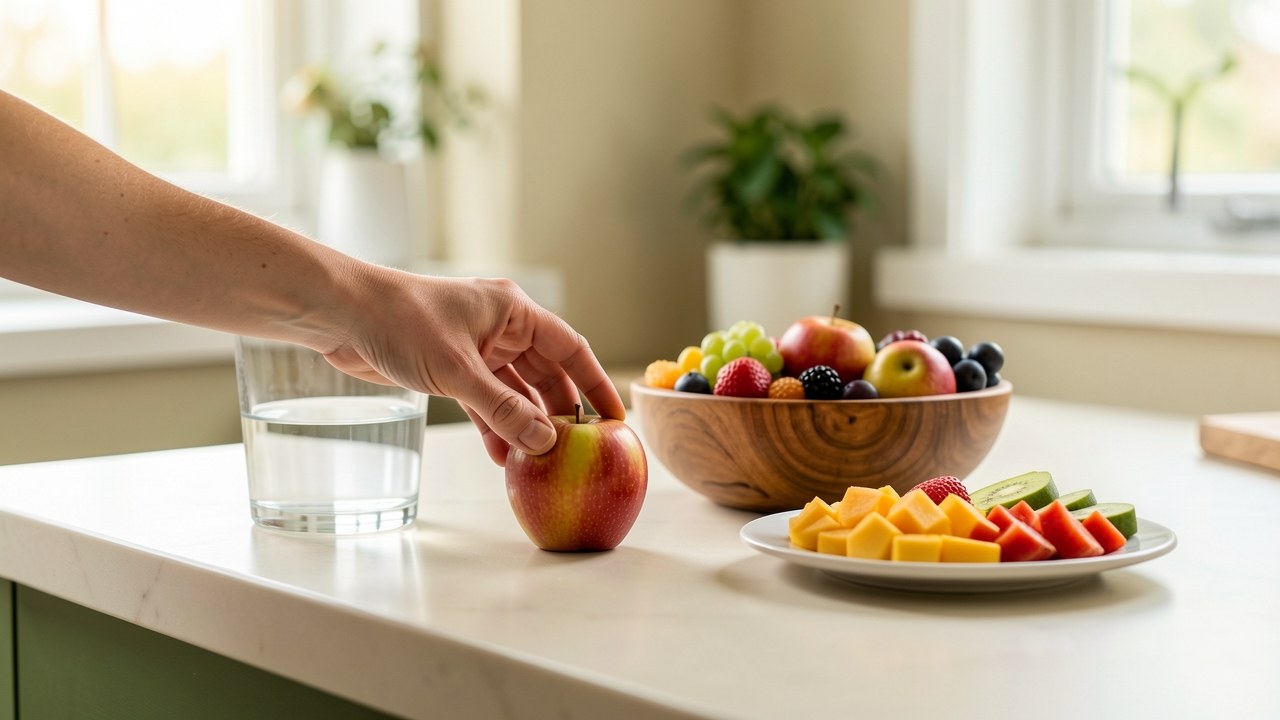
What Counts as a Healthy Eating Habit?
A healthy eating habit is a regular, automatic behavior that supports a nutrient-dense dietary pattern. The Dietary Guidelines for Americans, 2025–2030, emphasize choosing whole foods like vegetables, fruits, whole grains, lean proteins, and healthy fats, while limiting highly processed foods, added sugars, sodium, and unhealthy fats.
Healthy habits are not about rigid rules—they're about creating a lifestyle that you can maintain. This might mean planning meals ahead, making mindful food choices, or finding healthier ways to satisfy cravings.
- Prioritize whole, minimally processed foods.
- Include a variety of nutrients in your meals.
- Moderation is key—no food is off-limits.
Sources: US Department of Health and Human Services and US Department of Agriculture, Office of Disease Prevention and Health Promotion (ODPHP), HHS
Habit 1: Eat More Vegetables and Fruits
Vegetables and fruits are packed with vitamins, minerals, fiber, and antioxidants. The 2025–2030 Dietary Guidelines recommend at least 3 servings of vegetables and 2 servings of fruits per day for a 2,000-calorie pattern. Start by adding an extra serving of vegetables to your lunch or dinner, and keep fruit easily accessible for snacks.
Try to 'eat the rainbow'—choose a variety of colors to maximize nutrient intake. Frozen and canned options count too, but opt for low-sodium vegetables and fruits packed in water or juice.
- Aim for at least 3 vegetable servings and 2 fruit servings daily.
- Add vegetables to sandwiches, soups, and stir-fries.
- Keep pre-cut fruit and veggies in the fridge for quick snacks.
Sources: US Department of Health and Human Services and US Department of Agriculture, National CACFP Association (NCA)
Habit 2: Choose Whole Grains
Whole grains, such as oats, brown rice, quinoa, and whole-wheat bread, provide fiber and essential nutrients. The Dietary Guidelines recommend making at least half your grains whole grains, which can improve digestion and help you feel full longer.
Check ingredient lists to ensure that whole grains are listed as the first ingredient. Try starting your day with oatmeal or choosing whole-grain pasta for dinner.
- Make at least half your grains whole grains.
- Try whole-grain versions of bread, pasta, and tortillas.
- Experiment with ancient grains like farro or barley.
Sources: US Department of Health and Human Services and US Department of Agriculture, National CACFP Association (NCA)
Habit 3: Prioritize Protein at Meals
Protein is essential for building and repairing tissues, and it helps you feel satisfied after meals. The Dietary Guidelines emphasize including a variety of protein foods throughout the day, such as lean meats, poultry, eggs, seafood, beans, peas, lentils, and soy products.
Incorporate a source of lean protein—such as poultry, fish, beans, lentils, or tofu—into every meal. For snacks, choose Greek yogurt, nuts, or hard-boiled eggs.
- Include protein at each meal to support satiety.
- Choose lean meats, poultry, fish, or plant-based options.
- Distribute protein evenly throughout the day.
Sources: US Department of Health and Human Services and US Department of Agriculture, National CACFP Association (NCA)
Habit 4: Include Healthy Fats
Fats are a necessary part of a healthy diet, but the type matters. Healthy fats—like those in avocados, nuts, seeds, and olive oil—support heart health and nutrient absorption. The Dietary Guidelines recommend limiting saturated fats to less than 10% of total daily calories.
Replace butter with olive oil for cooking, snack on a handful of almonds, or add avocado to salads and sandwiches.
- Choose unsaturated fats over saturated and trans fats.
- Limit butter, lard, and other high-saturated-fat foods.
- Incorporate fatty fish like salmon or trout twice a week.
Sources: US Department of Health and Human Services and US Department of Agriculture, National CACFP Association (NCA)
Habit 5: Stay Hydrated
Proper hydration is vital for every cell in your body. The Dietary Guidelines recommend choosing water or unsweetened beverages and avoiding sugar-sweetened drinks. Aim to drink water throughout the day, and carry a reusable bottle to make it easier.
If you find water boring, add slices of lemon, cucumber, or berries for natural flavor. Seltzer or unsweetened tea are also good options.
- Carry a water bottle and sip regularly.
- Limit sugary sodas, sweetened teas, and juice drinks.
- Eat water-rich foods like cucumbers, melons, and oranges.
Sources: US Department of Health and Human Services and US Department of Agriculture, National CACFP Association (NCA)
Habit 6: Limit Added Sugars and Sodium
Reducing added sugars and sodium is a key recommendation in the 2025–2030 Dietary Guidelines. Aim to limit added sugars as much as possible, and keep your total sodium intake under 2,300 mg per day.
To cut back, read nutrition labels and watch for hidden sources like sauces, dressings, and packaged snacks. Cook at home more often so you control the amount of salt and sugar you add.
- Choose water or plain milk instead of sugary drinks.
- Flavor foods with herbs and spices instead of salt.
- Compare labels to select lower sodium and no-added-sugar options.
Sources: US Department of Health and Human Services and US Department of Agriculture, National CACFP Association (NCA)
Habit 7: Plan Ahead for Success
Planning your meals and snacks for the week helps you make healthier choices even on busy days. Set aside time each week to plan a menu, create a grocery list, and prep ingredients like chopped vegetables or cooked grains.
When you have healthy options ready, you're less likely to reach for quick, ultra-processed foods. Keep pantry staples like canned beans, whole-wheat pasta, and frozen vegetables on hand for easy meals.
- Choose 3-4 simple, balanced meals for the week.
- Make a grocery list based on your menu.
- Shop for ingredients, focusing on the perimeter of the store for fresh produce.
- Spend an hour prepping: wash and cut vegetables, cook grains or proteins.
- Store prepped items in clear containers in the fridge for quick assembly.
Sources: Habit.com, Centers for Disease Control and Prevention (CDC)
Habit 8: Practice Mindful Eating
Mindful eating means paying full attention to your food—on its taste, texture, and your hunger and fullness cues. Eating slowly and without distractions can help you enjoy your food more and prevent overeating.
Try to eat at a table, put away your phone, and chew slowly. Ask yourself if you're truly hungry before reaching for a snack, and stop when you feel comfortably full.
- Eat without distractions like TV or scrolling.
- Chew slowly and savor each bite.
- Check in with your hunger scale before and during meals.
Sources: Habit.com, Centers for Disease Control and Prevention (CDC)
Overcoming Common Barriers
Many people face obstacles to healthy eating, such as lack of time, cost, or limited access to healthy food. The 2025–2030 Dietary Guidelines acknowledge that access to nutritious food is not equal, and strategies are needed to overcome these barriers.
If you're busy, rely on simple meals like stir-fries or salads with protein. For budget concerns, buy in bulk, choose frozen produce, and plan your menus to avoid waste. If you live in a food desert, consider community resources or farmers' markets.
- Plan meals around inexpensive staples like beans, rice, and eggs.
- Use frozen or canned vegetables to save money and time.
- Seek out local assistance programs or farmers' markets that accept SNAP benefits.
Sources: Office of Disease Prevention and Health Promotion (ODPHP), HHS, Centers for Disease Control and Prevention (CDC)
How to Track Your Progress
Tracking your habits can help you stay on course. You don't need a fancy app; a simple journal or a checklist on your phone works well. The key is to monitor the behaviors you're trying to establish, not just the outcomes like weight.
Each week, review your food intake, physical activity, and how you felt. Celebrate small victories, and if you slip up, don't get discouraged—just resume your healthy routine at the next meal.
- Use a habit tracker app or paper calendar to mark off daily goals.
- Record your meals and snacks in a food diary.
- Review your progress weekly to adjust your approach.
Sources: Habit.com
Frequently asked questions
How many days does it take to form a new eating habit?
The time it takes to form a habit can vary widely depending on the person and the behavior. Research has not established a single number, as it depends on factors like consistency and the complexity of the habit. The key is to focus on small, manageable changes and repeat them consistently until they become automatic.
Sources: Habit.comIs it okay to have an occasional treat?
Yes—an occasional treat can be part of a healthy eating pattern. The 2025–2030 Dietary Guidelines emphasize overall patterns rather than perfection. Including some flexibility helps you maintain a balanced approach and prevents feelings of deprivation. The key is moderation and making sure treats don't displace nutrient-dense foods.
Sources: US Department of Health and Human Services and US Department of Agriculture, Office of Disease Prevention and Health Promotion (ODPHP), HHSCan I still eat out while maintaining healthy habits?
Absolutely. When eating out, look for options that are grilled, baked, or steamed rather than fried. Ask for dressings and sauces on the side, choose water or unsweetened beverages, and opt for vegetables as sides when possible. Many restaurants now offer nutritional information, which can help you make informed choices.
Sources: US Department of Health and Human Services and US Department of Agriculture, Centers for Disease Control and Prevention (CDC)What are some easy healthy swaps I can make today?
Simple swaps include replacing white rice with brown rice or quinoa, choosing whole-grain bread instead of white bread, using olive oil instead of butter, and swapping sugary drinks for water or sparkling water. For snacks, trade chips for nuts or fruit. These small changes align with the Dietary Guidelines' focus on whole grains and limiting added sugars and unhealthy fats.
Sources: US Department of Health and Human Services and US Department of Agriculture, Centers for Disease Control and Prevention (CDC)Sources
- Dietary Guidelines for Americans, 2025–2030 — US Department of Health and Human Services and US Department of Agriculture
- Current Dietary Guidelines — Office of Disease Prevention and Health Promotion (ODPHP), HHS
- 2025-2030 Dietary Guidelines for Americans Released — National CACFP Association (NCA)
- Building Healthy Eating Habits – Habit.com — Habit.com
- Healthy Eating Tips | Nutrition - CDC — Centers for Disease Control and Prevention (CDC)
- Access to Foods That Support Healthy Dietary Patterns - Healthy People 2030 — Office of Disease Prevention and Health Promotion (ODPHP), HHS