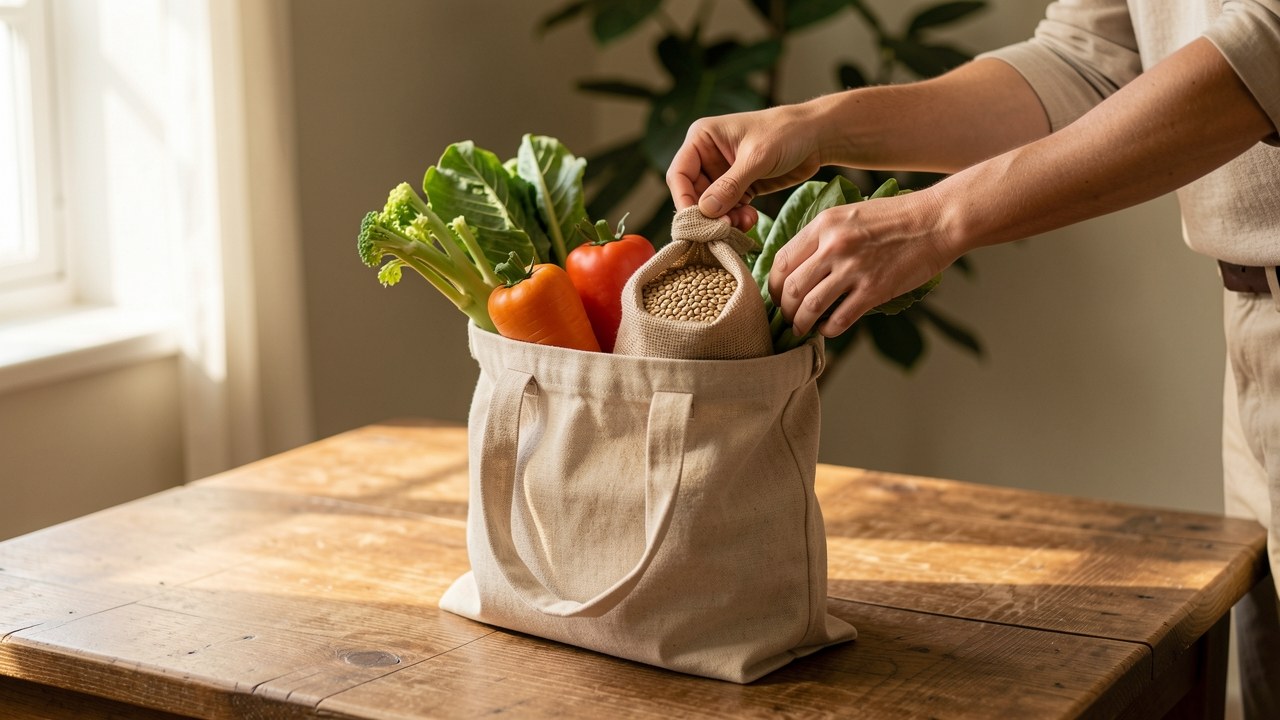
Why smart grocery shopping supports balanced eating
What ends up in your kitchen usually starts at the store. If your cart reflects the food groups that make up a healthy diet—grains, vegetables and fruit, protein foods, dairy, and fats—you are already setting up balanced meals for the week. The 2025–2030 Dietary Guidelines for Americans prioritize whole, nutrient-dense foods and pair that with a reduction in highly processed foods containing refined carbohydrates, added sugars, excess sodium, unhealthy fats, and chemical additives.
A written grocery list can help. Research in a specific high-risk population (low-income, predominantly African American food-desert residents) found that using a grocery list was associated with a healthier diet and lower body mass index. The study authors described a list as a memory aid, a way to limit impulse purchases, and a planning method that structures meals and helps preserve financial resources. That was an observational study in a specific population, so it does not prove cause and effect, but it fits what many shoppers notice: a list keeps decisions steady when store marketing pushes in the other direction.
Shoppers in a qualitative study described a healthful shop as one that includes healthful foods, avoids or restricts certain foods, and strikes a balance between healthful and unhealthful items. They also named two common barriers: low confidence in choosing, preparing, and cooking healthful foods, and conflicting needs when trying to satisfy yourself and others. A simple plan and a clear list reduce both barriers by turning vague intentions into specific items.
- Base your cart on the food groups: grains, vegetables and fruit, protein foods, dairy, and fats.
- Write your list before you go, and organize it by store section.
- Use the list to limit impulse buys rather than to forbid all treats.
- Plan for meals you can confidently prepare, not just meals you wish you would cook.
Sources: U.S. Department of Health and Human Services and U.S. Department of Agriculture, U.S. Department of Veterans Affairs, American Heart Association
How to plan your shopping list around your meals
Start with meals, not ingredients. Dietitian guidance suggests planning two to three meals ahead of shopping so you are not deciding under pressure at the store, where last-minute processed purchases become more likely. Recent meal planning and list-making guidance recommends the same approach: plan two to three meals and snacks before shopping, organize the list by store section, and consider buying in bulk or choosing generic brands to control costs.
Once you have two or three meals in mind, build a list that covers the food groups across those meals. A plate-based approach can guide proportions: the Healthy Eating Plate recommends making about half of a meal vegetables and fruits, about a quarter whole grains, and about a quarter healthy protein, with healthy plant oils used in moderation. You do not need a different list for every meal—overlap is your friend. If broccoli, brown rice, and chicken are used in two dinners, buy enough for both.
Organizing the list by store section keeps you from backtracking and helps you spot gaps. Group produce together, proteins together, dairy together, and pantry items together. That structure also makes it easier to see whether your list covers vegetables and fruit, whole grains, protein foods, dairy, and fats, or whether it leans heavily on one group.
- Sketch two or three meals and one or two snacks for the week.
- List the ingredients each meal requires, grouping repeats.
- Sort the list by store section: produce, protein, dairy, grains and pantry, frozen, then snacks and beverages.
- Check that at least one item from each food group appears across your meals.
- Note quantities you already have at home so you do not overbuy.
- Decide where store brands or bulk sizes could replace name brands without changing the meal.
Sources: Journal of the Science of Food and Agriculture (University of California – Davis)
Aisle-by-aisle guide to choosing nutrient-dense foods
The perimeter of the store usually holds produce, protein foods, and dairy, while the middle aisles hold grains, snacks, and condiments. That layout is a starting point, not a rule. Nutrient-dense choices exist in every aisle, and the middle aisles also hold the packaged items where label reading matters most.
In the produce section, aim for variety and color. Most children and adults should eat vegetables and fruit daily, with amounts varying by age, sex, and activity level. Fresh, frozen, and canned produce can all contribute. The protein case offers options from meat, poultry, and seafood to beans, eggs, and tofu.
In the dairy section, choose plain milk, plain yogurt, and cheese most often, and compare flavored yogurts and dairy drinks for added sugars. The Dietary Guidelines state that the natural sugars in foods such as fruits and plain milk are not considered added sugars, so plain dairy is a straightforward choice. If you use plant-based alternatives, read the label for added sugars and compare calcium and protein content if those matter for your situation.
The middle aisles cover whole grains, healthy fats, and pantry staples. What matters is that your overall cart tilts toward whole, nutrient-dense foods and away from highly processed items, added sugars, and refined carbohydrates.
| Store area | What to prioritize | What to limit or check |
|---|---|---|
| Produce | Fresh vegetables and fruit in a range of colors | Produce that will go unused before it spoils |
| Frozen | Plain frozen vegetables and fruit without added sauces or sugars | Frozen meals and sides with heavy sauces or added sugar |
| Protein and dairy | Beans, peas, eggs, fish, poultry, plain milk, plain yogurt, cheese | Processed meats such as bacon and sausage; flavored yogurts with added sugars |
| Middle aisles | Whole grains, oats, brown rice, nuts, seeds, and simple condiments | Refined grains, sugary snacks, and high-sodium condiments |
Sources: U.S. Department of Health and Human Services and U.S. Department of Agriculture, U.S. Department of Veterans Affairs, American Heart Association, University of Tennessee Institute of Agriculture, UT Extension, Journal of the Science of Food and Agriculture (University of California – Davis)
Reading nutrition labels to make better choices
Packaging words and the Nutrition Facts panel do different jobs. Front-of-package terms such as natural can be misleading, so shoppers should read ingredient lists and nutrition labels rather than relying on the front of the box. The 2025–2030 Dietary Guidelines for Americans recommend limiting added sugars, saturated fat, and sodium, with added sugars and saturated fat each below 10 percent of calories per day starting at age 2 and sodium below 2,300 milligrams per day.
That gives you a direction even without memorizing thresholds for every packaged food. When you compare two similar items, the one with less added sugar, less saturated fat, and less sodium is generally more aligned with the guidelines. Check the ingredient list for added sugars and refined grains, and remember that a product marketed as healthy may still carry added sugars or sodium.
The guidelines list many names under which added sugars may appear on ingredient labels, including high-fructose corn syrup, agave syrup, corn syrup, rice syrup, fructose, glucose, dextrose, sucrose, cane sugar, beet sugar, turbinado sugar, maltose, lactose, fruit juice concentrate, honey, and molasses. The natural sugars in foods such as fruits and plain milk are not considered added sugars. If you have a specific health concern such as heart disease or diabetes, discuss dietary changes with a health care provider or registered dietitian before making them.
- Compare similar products side by side using the Nutrition Facts panel, not the front-of-package claims.
- Watch for added sugars under names like cane sugar, corn syrup, and dextrose.
- Check sodium in canned goods, sauces, and condiments.
- Choose items with whole grains listed early in the ingredient list.
- Ignore the word natural as a guide to nutrition quality; read the label instead.
Sources: U.S. Department of Health and Human Services and U.S. Department of Agriculture, U.S. Department of Veterans Affairs, American Heart Association, University of Tennessee Institute of Agriculture, UT Extension
Produce and frozen foods: fresh vs. frozen vs. canned
Fresh produce is not the only route to a balanced diet. A peer-reviewed review of the scientific literature found that carotenoids, vitamin E, minerals, and fiber are generally similar in comparable fresh and processed (frozen and canned) fruits and vegetables. Fresh produce can lose nutrients over time during transport, storage, and home refrigeration, while frozen fruits and vegetables are picked at the peak of ripeness and flash frozen to preserve optimal nutrition and can last several months in the freezer.
Canned vegetables and beans can be convenient, but sodium added during canning is a common concern. The American Heart Association advises checking sodium on the Nutrition Facts label, comparing products, and choosing the lowest-sodium option; rinsing and draining canned food can reduce sodium. For canned fruit, choose fruit canned in water or its own 100% juice. For frozen vegetables, compare sodium on the label and note that vegetables frozen with added sauces and seasonings usually contain excess sodium and calories. For frozen fruit, choose unsweetened fruit packaged in water or 100% juice without added sugars.
Products canned without added salt contain sodium levels similar to or lower than fresh and frozen products cooked without salt. The practical takeaway is to keep some form of vegetables and fruit on hand—fresh, frozen, or canned—so meals can include them even on busy days.
Sources: U.S. Department of Veterans Affairs, American Heart Association, Journal of the Science of Food and Agriculture (University of California – Davis)
Smart choices in the protein and dairy sections
Protein foods include meat, poultry, seafood, beans and peas, eggs, processed soy products, nuts and nut butters, and seeds. Beans and peas also count as vegetables. The Healthy Eating Plate advises limiting red meat and avoiding processed meats such as bacon and sausage. It also recommends about a quarter of the plate as healthy protein, which makes portions easier to plan. Note that the Healthy Eating Plate does not count potatoes as vegetables because of their effect on blood sugar.
For protein foods, choose options with healthy fats more often and limit red meat and cheese. The Dietary Guidelines recommend prioritizing high-quality, nutrient-dense protein foods and consuming a variety of protein foods from animal sources (eggs, poultry, seafood, red meat) and plant sources (beans, peas, lentils, legumes, nuts, seeds, soy).
In the dairy section, most children and adults should get about 2 to 3 servings a day, choosing dairy foods with no added sugars. Plain yogurt, milk, and cheese are common options. The Dietary Guidelines state that the natural sugars in plain milk are not considered added sugars, so plain dairy is a straightforward choice. If you use plant-based alternatives, read the label for added sugars and compare calcium and protein content if those matter for your situation. If you have a health condition such as heart disease or diabetes, talk with a health care provider or registered dietitian before making dietary changes.
Sources: U.S. Department of Health and Human Services and U.S. Department of Agriculture, American Heart Association, University of Tennessee Institute of Agriculture, UT Extension, Journal of the Science of Food and Agriculture (University of California – Davis)
Navigating the middle aisles: grains, snacks, and condiments
The middle aisles can support a balanced diet or quietly work against it. For grains, the Dietary Guidelines recommend prioritizing fiber-rich whole grains and significantly reducing consumption of highly processed, refined carbohydrates such as white bread, ready-to-eat or packaged breakfast options, flour tortillas, and crackers. UT Extension recommends choosing whole grains such as whole-grain bread, whole-wheat pasta, and brown rice and limiting refined grains like white bread and white rice. When choosing breads and cereals, look for a whole grain listed first in the ingredients and compare added sugars across similar products.
Snacks and condiments deserve the same scrutiny. Nuts, seeds, and plain popcorn can be regular items, while sugary snack foods and high-sodium condiments are best treated as occasional. For example, choose low-sodium soy sauce or vinegar-based dressings over regular soy sauce or creamy dressings. The Dietary Guidelines recommend limiting added sugars, saturated fat, and sodium, so label comparisons in these aisles often come down to added sugar and sodium. For snack foods such as crackers, added sugar limits should follow FDA Healthy claim limits; grain snacks such as crackers should not exceed 5 grams of added sugar per ¾ ounce whole-grain equivalent. When cooking with or adding fats to meals, prioritize oils with essential fatty acids, such as olive oil, and keep saturated fat consumption generally not above 10% of total daily calories. If you are comparing two jars of pasta sauce or two boxes of crackers, let the Nutrition Facts panel decide rather than the front of the package.
Sources: U.S. Department of Health and Human Services and U.S. Department of Agriculture, U.S. Department of Veterans Affairs, American Heart Association, University of Tennessee Institute of Agriculture, UT Extension
Sample balanced diet grocery shopping list
Use this list as a starting template and adjust it to the meals you plan to make and the foods you enjoy. The list below follows a dietitian-approved structure and includes foods from each of the food groups. Portions and specific items depend on your meals, household size, and budget. Copy the list into a notes app or on paper, delete what you do not need, and add what your chosen meals require. Buying store brands or larger sizes can lower the total cost without changing the meal plan.
- Protein: chicken, fish, lean ground meat, eggs, tofu, canned beans, lentils, peanut butter, nuts, seeds.
- Vegetables: fresh or frozen broccoli, spinach, carrots, bell peppers, onions, tomatoes, canned tomatoes.
- Fruits: bananas, apples, oranges, berries (fresh or frozen), canned fruit in juice.
- Whole grains: oats, brown rice, whole-wheat pasta, whole-grain bread, whole-grain tortillas.
- Healthy fats: olive oil, canola oil, avocado, nut butters, seeds.
- Pantry staples: low-sodium broth, herbs, spices, vinegar, low-sodium soy sauce, canned tuna.
- Healthy snacks: plain yogurt, fruit, nuts, hummus, whole-grain crackers.
- Beverages: water, unsweetened coffee or tea, plain milk or fortified plant milk without added sugar.
Sources: U.S. Department of Health and Human Services and U.S. Department of Agriculture, American Heart Association, Journal of the Science of Food and Agriculture (University of California – Davis)
Frequently asked questions
Should I buy organic produce?
A balanced diet is built on eating enough vegetables and fruit in whatever form fits your budget—fresh, frozen, or canned—and the Dietary Guidelines emphasize whole, nutrient-dense foods rather than a specific production method. If organic options fit your budget, they can be part of your cart. If they do not, conventional produce still supports balanced eating. What matters most is including vegetables and fruit regularly.
Sources: U.S. Department of Health and Human Services and U.S. Department of Agriculture, U.S. Department of Veterans Affairs, American Heart AssociationHow do I choose healthy bread and cereals?
Look for whole grains listed first in the ingredient list and compare similar products using the Nutrition Facts panel. The Dietary Guidelines recommend prioritizing fiber-rich whole grains and significantly reducing consumption of highly processed, refined carbohydrates such as white bread, ready-to-eat or packaged breakfast options, flour tortillas, and crackers. For cereals, compare added sugars across brands, since front-of-package claims can be misleading and added sugars are meant to stay below 10% of daily calories starting at age 2.
Sources: U.S. Department of Health and Human Services and U.S. Department of Agriculture, American Heart Association, University of Tennessee Institute of Agriculture, UT ExtensionWhat are the best sources of plant protein at the supermarket?
Beans and peas, lentils, tofu and other processed soy products, nuts, nut butters, and seeds are all protein foods, and beans and peas also count as vegetables. The Healthy Eating Plate recommends about a quarter of the plate as healthy protein, which can come from plant sources. When buying canned beans, check sodium on the label and consider rinsing them before use.
Sources: U.S. Department of Health and Human Services and U.S. Department of Agriculture, American Heart Association, Journal of the Science of Food and Agriculture (University of California – Davis)Are frozen meals okay for a balanced diet?
Frozen vegetables and fruit without added sauces or sugars are a convenient way to include produce, and they retain nutrients well. Frozen prepared meals are a different category, and their fit depends on how their added sugars, saturated fat, and sodium compare with dietary limits, so read the Nutrition Facts panel and ingredient list to compare options rather than relying on the package front.
Sources: U.S. Department of Health and Human Services and U.S. Department of Agriculture, U.S. Department of Veterans Affairs, American Heart AssociationHow can I stick to my grocery budget while eating healthy?
Plan two to three meals before shopping and organize your list by store section, which can reduce last-minute processed purchases. Meal planning and list-making guidance also recommends buying in bulk and choosing generic brands to control costs. Frozen and canned produce can be affordable ways to include vegetables and fruit year-round. Using a list is associated with healthier diets in research, though that study was observational and specific to one population.
Sources: U.S. Department of Health and Human Services and U.S. Department of AgricultureSources
- Dietary Guidelines for Americans, 2025–2030 — U.S. Department of Health and Human Services and U.S. Department of Agriculture
- Focus on Your Plate — U.S. Department of Veterans Affairs
- Fresh, Frozen or Canned Fruit and Vegetables: All Can Be Healthy Choices — American Heart Association
- Diabetes and Plate Method (W 926-D) — University of Tennessee Institute of Agriculture, UT Extension
- Nutritional comparison of fresh, frozen, and canned fruits and vegetables II. Vitamin A and carotenoids, vitamin E, minerals and fiber — Journal of the Science of Food and Agriculture (University of California – Davis)